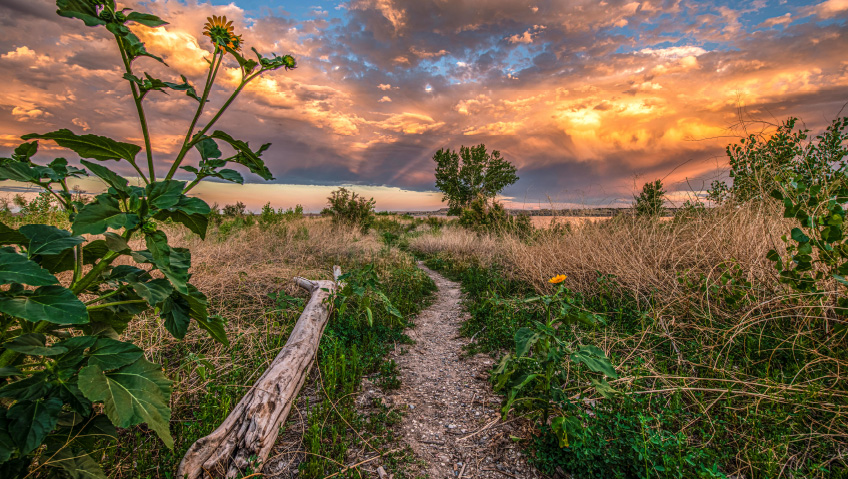
Pueblo County, Colorado offers plentiful sunshine, generous incentives for businesses, and a pro-manufacturing mindset. Based in the southeastern part of the state, Pueblo County aims to attract new companies while maintaining its reputation for being a family-friendly, close-knit place.
“At the end of the day, we’re a community that embraces manufacturing; we have a lot of manufacturing assets. It’s kind of in our DNA,” says Jeff Shaw, President and CEO of the Pueblo Economic Development Corporation (PEDCO). Pueblo County workers have experience in “automation, welding, machining, large fabrication, steel, carbon fiber, and a lot of disciplines attached [to these services],” he adds.
With a median age of 39.8 years, Pueblo County has a population of just under 170,000 people. Its biggest city is also called Pueblo and accounts for 106,000 residents, while smaller communities include Colorado City and Avondale. Median household income is $54,340, and leading employment sectors include aerospace and defense, construction manufacturing, chemical manufacturing, food and beverage, outdoor recreation, and agriculture.
A longstanding commitment to economic development
PEDCO is a private, nonprofit group that works hard to highlight the benefits of doing business in Pueblo County. The organization was founded in 1981 after a crash in the steel industry rocked the region and county officials sought new avenues for economic renewal. In 1984, Pueblo County citizens agreed to pay a half-cent sales tax on non-exempt items, with revenue going toward a capital development fund used to entice new businesses. The fund generates $10 to 12 million on an annual basis and is disbursed in the form of grants or loans to companies looking to relocate, expand, or set up operations in Pueblo County. This funding can only be used for capital development purposes (for example, acquiring land, buildings, or equipment).
While PEDCO makes recommendations on funding recipients, Pueblo County government officials oversee the actual disbursement, and firms that want to receive capital development funding are expected to create a certain number of positions based on their size and output. “There’s an obligation to pay some money back if you don’t have the jobs you promised the community; if you have the jobs, you don’t have to pay anything back. [In such cases] we don’t want the money back—we want the jobs,” says Shaw.
Full-time jobs, he adds, have “a multiplier effect” on the economy, with benefits extending well beyond the original investment.
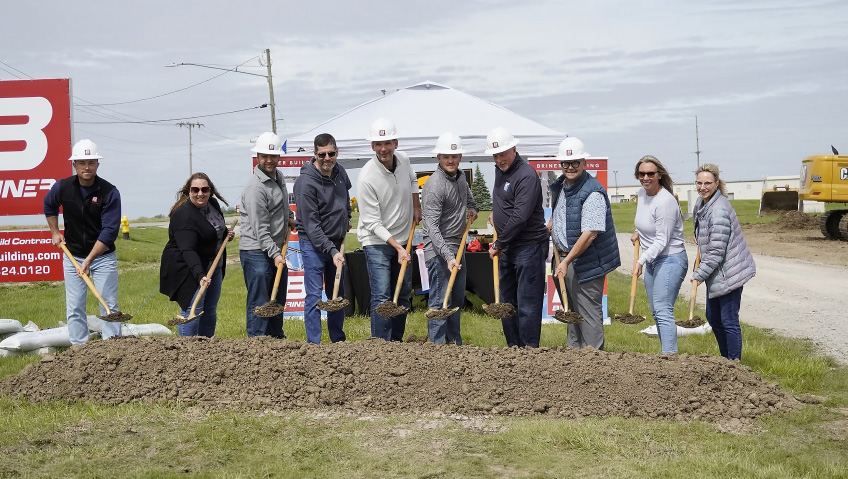
Every five years, voters get to choose whether to renew the half-cent sales tax and capital development fund. The sales tax was reapproved last fall, not a surprise given how effective the development fund has been in bringing in business. In August 2025, for example, Trussworks Operations, LLC, a wood and floor truss manufacturer, announced that it chose Pueblo County for its newest facility and Trussworks received capital development money in return for a new jobs guarantee. Once it reaches full capacity, Trussworks’ plant is expected to employ 65 full-time staff.
Location, infrastructure, and water
Of course, there are plenty of other reasons why companies might want to set up in Pueblo County. The county offers excellent workforce training programs, for a start, and is also blessed with great weather, abundant water, and an enviable location.
Pueblo County is spread across roughly 2,400 square miles within a centrally located state. Several major markets, including Salt Lake City, Albuquerque, Dallas, and Houston, are within easy reach of county businesses. Transportation infrastructure is a particular strength, with the county served by Interstate 25 (for north/south road travel), U.S. Route 50 (for east/west travel), and Pueblo Memorial Airport. The county is also frequented by Union Pacific Railroad and BNSF Railway and is the only southern Colorado county to offer east, west, north, and south rail access. “One of the true secrets of Pueblo is our rail infrastructure,” Shaw notes. “We’ve embraced rail, we love rail.”
Water availability is another significant differentiator, especially as many western regions face increasing scarcity. Pueblo County can accommodate large manufacturers requiring “two to four million gallons a day” and could “triple our population without running into water issues,” according to Shaw—an increasingly rare advantage in the American West.
Workforce, education, and veterans
Pueblo County’s workforce is bolstered by strong educational institutions and a high concentration of military veterans. The county is home to two school districts and two post-secondary institutions: Pueblo Community College and Colorado State University – Pueblo.
Pueblo Community College has earned a strong reputation for customized workforce training, a legacy that dates back to the 1980s when the school helped retrain laid-off steel workers. Today, the college remains “very, very good at customized training programs,” Shaw says, whether teaching welding skills or training workers to meet specialized international manufacturing standards.
CSU Pueblo complements this pipeline with degree programs in engineering, business, nursing, computer science, construction management, and cybersecurity.
Veterans further enhance the local labor pool. Pueblo is known as “The Home of Heroes,” having produced four recipients of the Congressional Medal of Honor. At a 1953 ceremony, President Dwight Eisenhower famously remarked about “something in the water out there in Pueblo.” Shaw says veterans bring discipline, leadership, and a strong work ethic, while also contributing to a shared sense of civic pride.
Quality of life
For visitors and residents alike, nearly continuous sunshine and warm temperatures are major draws. Pueblo County typically receives over 300 days of sunshine a year, with an average daily summer temperature of 91°F and average daily winter temperature of 47°F (well above freezing). The overall average temperature works out to just under 70°F.
“Pueblo is unique because we’re just off the mountains by 20 miles or so,” Shaw says. “Even in January or February, you can play golf on a Saturday afternoon and go skiing on a Sunday.”
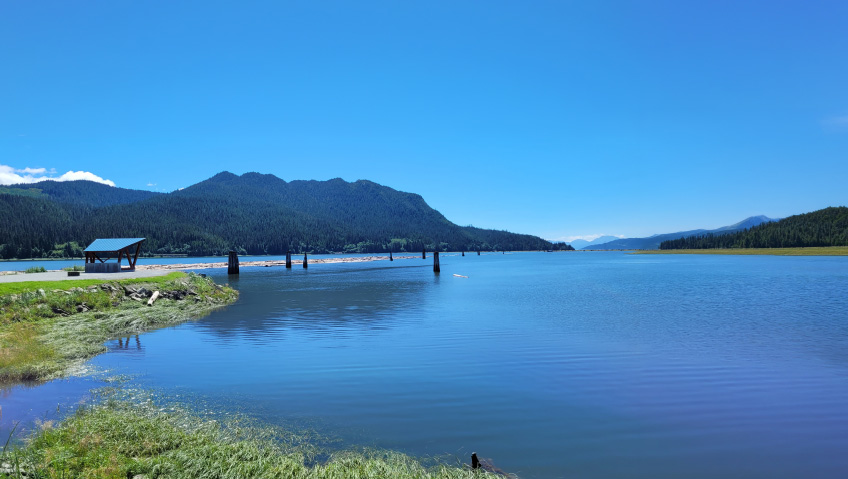
Mountain biking, golf, hiking, fly fishing, rafting, and rock climbing are also hugely popular outdoor activities, and Lake Pueblo State Park is a popular spot for boating, picnicking, fishing, and swimming. Pueblo also plays host to the annual Colorado State Fair and a local event called the Pueblo Chile & Frijoles Festival. The latter event draws huge crowds and reflects the region’s agricultural heritage; in addition to being a manufacturing epicenter, Pueblo County is renowned for its melons, beans, potatoes, and chili peppers.
The area’s affordability only adds to its appeal. The county’s median home price is $364,950, and it scores 92 on a national cost-of-living index where 100 represents the U.S. average. By comparison, Colorado Springs scores 100 and Denver 108, making Pueblo County a comparatively accessible place to live and work.
History, promotion, and present-day challenges
The history of Pueblo County dates back thousands of years. The area was home to the Ute or Nuche peoples, then was annexed by Spain in the late 1500s. Spanish rule ended when Mexico became independent in the 1820s. The area came under U.S. control following the 1848 Mexican-American War and was then flooded with prospectors during the subsequent Colorado Gold Rush. Statehood was conferred on Colorado in 1876, and Pueblo County joined the USA.
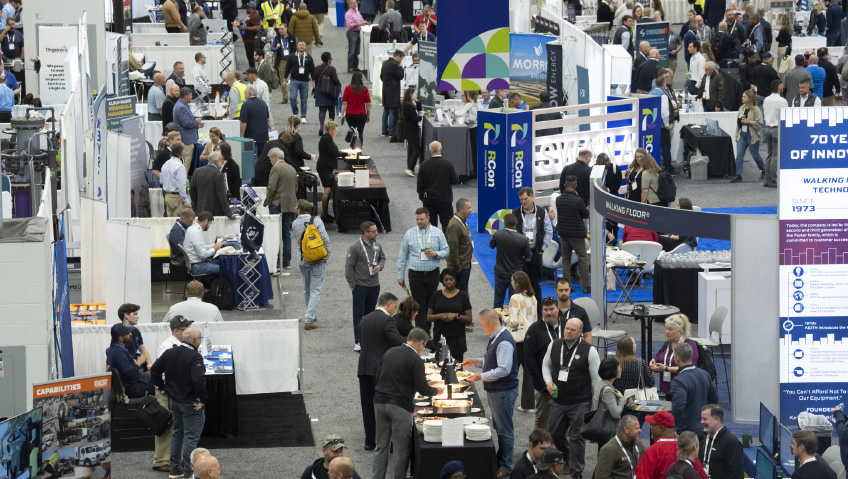
Today, PEDCO continues to promote the county through trade shows, digital outreach, partnerships, and word of mouth. Recently, the organization formed a loose collaboration with the Metro Denver Economic Development Corporation to pursue initiatives benefiting the broader Front Range region.
For all its present-day advantages, Pueblo County does face its share of challenges. Manufacturers in the county are concerned about federal interest rates impacting their bottom lines and influencing hiring decisions. Federal politics can also impact the county’s fortunes; until recently, Pueblo featured a great deal of manufacturing activity based around renewable energy, but shifts in federal energy policy have slowed this activity.
A measured vision for the future
Even so, Pueblo County remains, in Shaw’s view, an excellent place to live and do business. “It’s such a quality place to raise a family. There are a lot of great sports, whether it’s baseball, basketball, golf, or football. Even though it’s not small anymore, it’s got that small-town feel to it. You can get anywhere in Pueblo by car in 15 minutes—you’re not going to run into traffic. It’s just a great place to grow up,” he shares.
Going forward, Pueblo officials hope to preside over steady and sustainable growth, not expansion for its own sake. Based on water availability and infrastructure capacity, Shaw estimates that Pueblo County can support between 250,000 and 300,000 people without sacrificing quality of life or impacting the county’s enviable ambiance.
In five years, he hopes to see a community that has strengthened its primary job base while preserving the character that makes Pueblo County distinctive. “We don’t want to lose that character of Pueblo,” Shaw says. For a county defined by its manufacturing heritage, natural advantages, and strong sense of place, the goal is clear: grow thoughtfully, stay grounded, and ensure that economic progress continues to benefit both businesses and the people who call Pueblo County home.