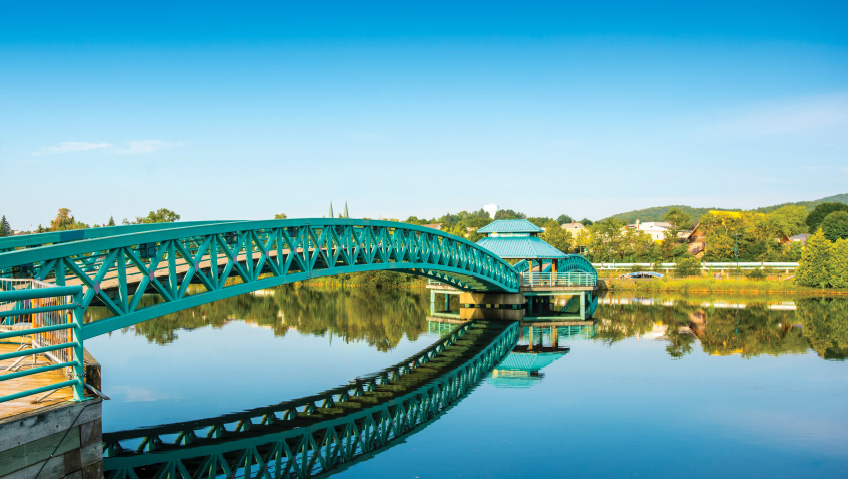
At the northern edge of New Brunswick, meeting up with both Quebec and the United States, the Edmundston–Madawaska region has long occupied a unique place on the map. A gateway community shaped by bilingualism and deep connections to nature, it has traditionally served as both a stopping point and a connector, linking cultures and markets across borders.
Today, however, Edmundston–Madawaska is increasingly becoming something more: a destination in its own right, a hub for investment, and a community actively shaping its future through housing initiatives and year-round tourism development.
According to Joanne Bérubé-Gagné, Executive Director of the Edmundston Madawaska Tourism Office, the momentum building across the region is unmistakable. “There have been a lot of changes in the area,” she says. “Hotels are building, adding rooms, or refurbishing, new restaurants have come in, and we’ve seen a much more diversified food experience with new people moving in.” That evolution is not happening in isolation; it reflects shifting economic patterns and a deliberate effort by local leadership to ensure growth benefits both residents and visitors alike.
Tourism in Edmundston–Madawaska has seen a notable upswing over the past year, driven in part by broader shifts in how and where people choose to travel. With some travelers opting to vacation closer to home and others exploring Canada more deeply, the region has found itself well positioned to capture new audiences.
Visitor stays are lengthening, and the region is increasingly being included in extended Maritime travel itineraries. Visitors from Western Canada are discovering the appeal of Atlantic Canada’s quieter destinations, often arriving with flexibility and curiosity rather than rigid travel plans. “People are really coming to explore,” Bérubé-Gagné explains. “They don’t always have specific plans, so they’re willing to stay a couple of days more, find out about the culture, change routes, and explore a little bit more.”
This openness has worked in the region’s favour. Edmundston–Madawaska offers an easy entry point into the Maritimes while providing immediate access to rivers, forests, trails, and a walkable urban core. For travellers seeking a slower pace without sacrificing amenities, the balance is compelling.
The region’s bilingual character also plays a quiet but important role. Visitors moving between provinces or countries find a place where language is a bridge rather than a barrier, reinforcing the area’s reputation for warmth and accessibility.
As tourism and economic activity increase, housing has emerged as one of the region’s most critical priorities. Like many communities across Canada, Edmundston is navigating the challenge of ensuring enough affordable, diverse housing options to support workforce needs and long-term livability. In response, the City of Edmundston has taken an unusually proactive approach, one that Bérubé-Gagné describes as both bold and necessary. “The city really took the bull by the horns,” she says, pointing to initiatives that include offering land to developers, updating zoning bylaws, and approving new housing formats such as mini-homes and container homes that would not have been considered in years past.
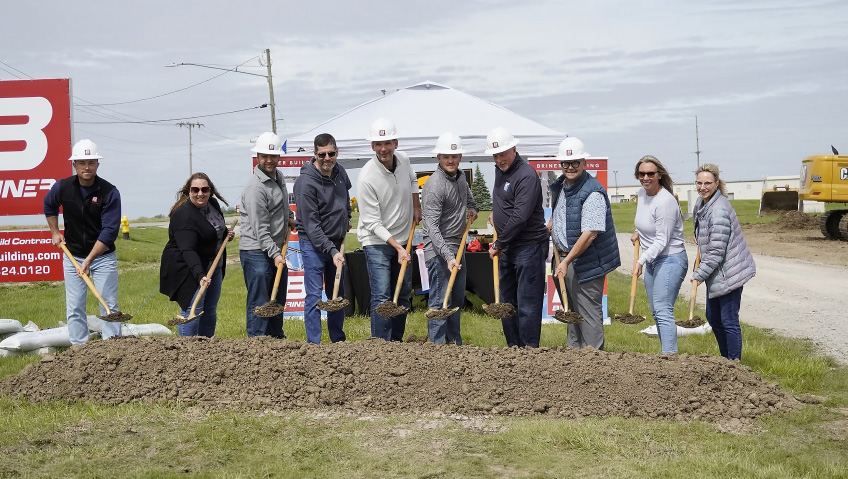
The municipality has also worked to remove common barriers to development by pre-approving architectural plans for multi-unit housing, allowing developers to move faster and reduce their upfront costs. Dedicated staff now focus full-time on housing coordination, working directly with builders and community stakeholders. And the scale of construction underway is significant. More than 300 housing units are expected to be added in the coming year, ranging from small multi-unit buildings to larger developments of up to 60 units. These projects are designed not only to address housing shortages but also to support tourism workers, healthcare professionals, agricultural employees, and newcomers settling in the region.
Beyond permanent housing, Edmundston has also invested in social infrastructure; it is now one of the smaller communities in the province to establish a seasonal warming shelter, addressing immediate needs while maintaining a long-term view of inclusive growth.
For Bérubé-Gagné, the emphasis on communication has been just as important as construction itself. By sharing studies and progress updates with residents, the city has worked to frame growth as a positive force, one that strengthens the community rather than strains it.
Edmundston’s location, mere kilometres from Quebec and directly across the river from Madawaska, Maine, has always shaped its identity. Today, that geography is increasingly seen as an economic advantage. The region sits within a few hours of major markets, including Quebec City and Boston, while serving as a key transit point for goods and people moving across Eastern Canada. This connectivity makes it an attractive base for businesses looking to access multiple markets without the congestion or costs of larger urban centres.
Cross-border collaboration remains a defining feature of the area. Committees continue to explore joint initiatives with neighbouring communities in Maine and Quebec, from shared festivals to recreational trail systems that could one day connect snowmobilers and ATV riders across borders. “We keep meeting and asking, ‘How can we put something together that generates economic development on both sides?’” Bérubé-Gagné says.
While regulatory and permitting challenges remain, particularly around licensing and insurance for cross-border recreation, the appetite for collaboration has not diminished. Shared industries and longstanding economic relationships continue to anchor these efforts.
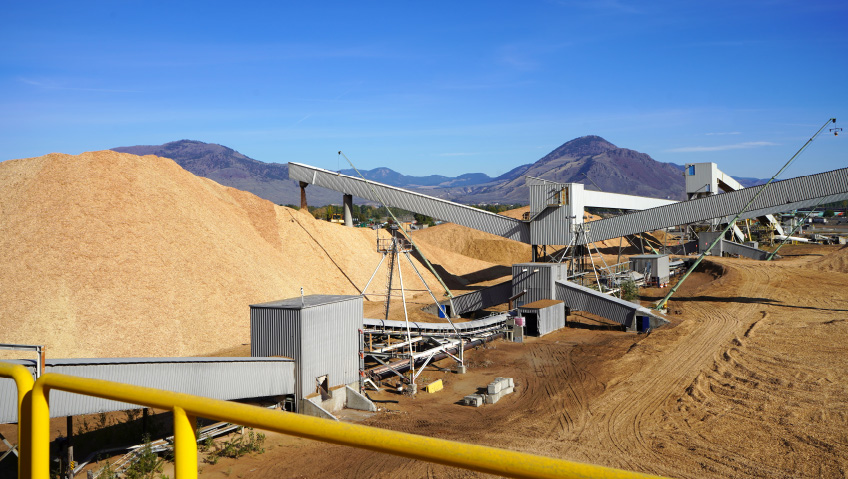
The forestry sector remains a prime example. The mill in Edmundston produces pulp that is transported directly to Madawaska, Maine, through an underground tunnel, an arrangement that underscores just how interdependent the regional economy has become.
Currency exchange has also created new dynamics. With the Canadian dollar offering strong value, residents from Maine increasingly cross the border to shop, dine, and attend events in Edmundston, boosting local businesses and reinforcing the benefits of proximity.
Perhaps the clearest sign of confidence in Edmundston–Madawaska’s trajectory is the level of private investment flowing into the region. Nearly all local hotels have changed hands in recent years, with new owners expanding capacity or rebranding under global hospitality names. One notable project will see a former Travelodge transformed into a Hilton Spark property, an investment exceeding $10 million. “When you build hotel capacity, it means the market can absorb it,” Bérubé-Gagné notes. “For us, that’s really good news.”
These investments reflect not just optimism about tourism demand, but belief in the region’s long-term economic fundamentals. Campgrounds and accommodations across the area are also being upgraded, expanding the range of options available to visitors.
Beyond tourism, a major manufacturing announcement has further diversified the economic landscape. A global agri-food company headquartered in Switzerland has selected Edmundston as the location for its new North American production facility, set to open in 2026. The project is expected to bring approximately 50 new jobs and introduces a new sector to the regional economy, reinforcing Edmundston’s appeal as a place where international companies can find workforce availability and community support.
Yet despite its growth, Edmundston–Madawaska continues to define itself by its human scale. For many newcomers, whether investors, families, or visitors, that sense of personal connection is what stands out most. “It’s a small town with a big human approach,” Bérubé-Gagné says. “People care, they’re welcoming, and it’s easy to connect with the right person when you need something.”
That culture of accessibility extends across sectors, from municipal offices to tourism operators. It’s a quality that companies have cited as a deciding factor when choosing to locate in the region and one that residents work hard to preserve even as the community grows.
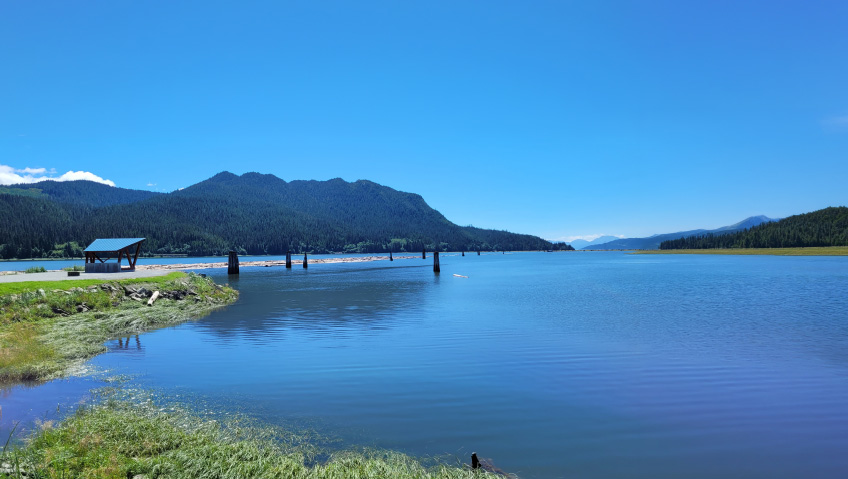
At the same time, the physical environment delivers an uncommon combination of amenities. Within minutes, residents and visitors can ski, golf, paddle rivers, hike forest trails, or enjoy a full range of urban services. Nature is not an escape from daily life; it is part of it.
This balance also supports the region’s appeal as a place to live. Families and remote workers increasingly see Edmundston–Madawaska as an alternative to larger cities, one that offers affordability, access to the outdoors, and a strong sense of belonging.
Looking ahead, the Edmundston Madawaska Tourism Office is focused on positioning the region as a four-season destination, one where tourism does not peak and disappear, but remains active year-round. Winter, in particular, is a strength; snow arrives early and stays late, enabling a longer season for skiing and winter recreation than many other parts of the province. “We really want to position the region as the four-season destination of New Brunswick,” Bérubé-Gagné says.
Investments at the nearby provincial park support this vision. A major renovation of the Antique Car Museum is nearing completion, with its reopening expected this summer, alongside broader plans to expand river access and explore winter operations.
Infrastructure improvements within the city are also playing a role. A new public transit system, introduced post-pandemic, now connects neighbourhoods and surrounding areas, helping residents and visitors move more easily throughout the region. Expansion plans will extend service across northern New Brunswick in 2026, further enhancing regional mobility.
Edmundston–Madawaska’s story is no longer just about geography or history; it’s about intentional growth. Housing initiatives are aligning with workforce needs. Tourism strategy is supporting investment. Economic development is diversifying while remaining rooted in community values.
For Bérubé-Gagné, the success of the region lies in that balance. “It’s the ease of living, the slower pace, the closeness to nature but also having all the amenities you need right nearby.”
As borders shift in meaning, travel habits evolve, and communities across Canada rethink what sustainable growth looks like, Edmundston–Madawaska offers a compelling example. It is a place embracing opportunity without losing its character, welcoming change while staying true to the human connections that define it.
And for those who arrive expecting only a brief stop along the way, many discover something more: a region worth staying to explore.