Greene County, Ohio, is a community where there is both a strong sense of pride around the agricultural history and legacy of the region, but also where growth and development are welcomed and encouraged. Certainly, balancing the two is no easy feat. But luckily, the economic development team in Greene County has proven itself up to the task.
Together with partners and stakeholders, the county is working to maintain the best of both worlds—attracting, retaining, and growing the region’s economic potential, taking advantage of the low cost of living and room to grow, and simultaneously paying homage to the county’s agricultural roots and rich quality of life.
Open for business
Located in the southwestern part of the state, near Dayton and accessible to Columbus, Cleveland, Cincinnati, and even Indianapolis, Greene County is home to more than 170,000 residents who enjoy the services and amenities proximity affords.
“We have Interstate 71,” says Development Director, Jason Foster, “which is a north-south route from Cleveland all the way through Louisville and beyond. That’s a major interstate that crosses Interstate 70 in Columbus and also crosses Interstate 75 just south of Cincinnati, running all the way to Canada. That’s ideal from a supply chain and logistics standpoint, but also accessibility to the major metro areas.” This is a draw for residents and investment alike, he notes.
The county is home to Wright-Patterson Air Force Base, which has over 38,000 personnel and covers more than 8,000 acres. Not surprisingly, it’s the largest single-site employer in the state, highly valued for its economic impact, particularly by the secondary and tertiary suppliers and service providers that support its operation.
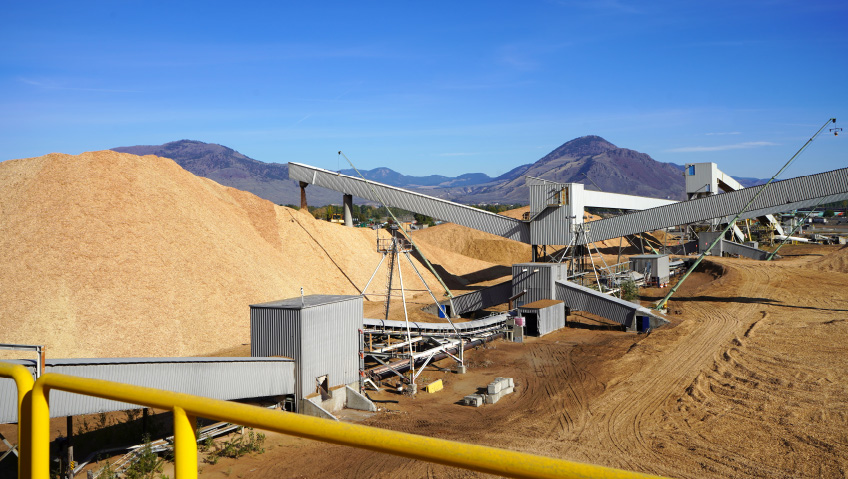
“There’s a lot of employment opportunity here,” says Foster, “a tremendous amount of manufacturing opportunity, and educational opportunities as well.” This is largely thanks to the seven universities located in the county which strengthen the talent pipeline for major employers like Resonant Sciences, MRL, and GE.
Room to grow
Of course, development often brings its own challenges, particularly when it comes to adequate infrastructure to support it. “There is simply not all the infrastructure we need in the eastern part of the county, so our goal as a development department is to manufacture ways to create infrastructure,” notes Foster.
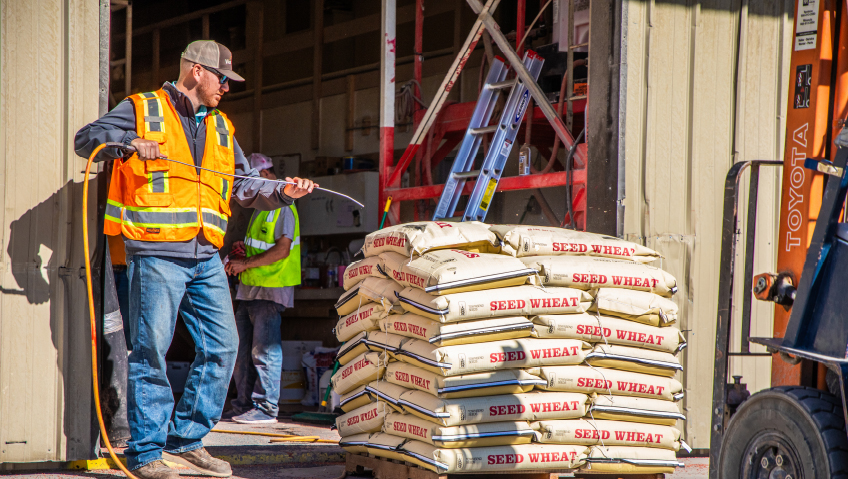
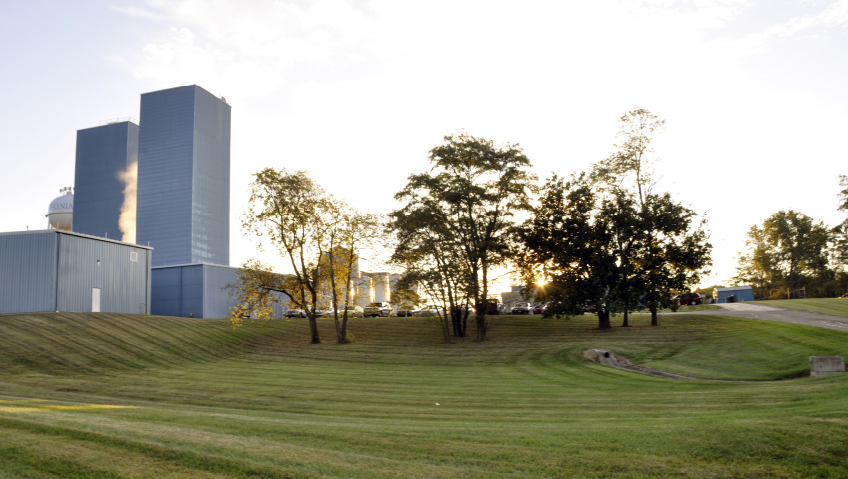
Acknowledging that agriculture “is the backbone of what Greene County was built on,” Foster is seeking a marriage between agriculture and industry. “How can we bring new development and increase the tax base of the county, but also respect the history on which the county was built? It’s a fine line.”
Development is not only supported through investments in infrastructure but also through the provision of incentives, grants, and the establishment of enterprise zones, as well as close collaboration with the various economic development organizations of the area’s cities and townships. From Foster’s perspective, “The smaller townships, particularly in the eastern part of the county, don’t have the resources to have their own folks, so we assist in economic development the best we can for what they need and, in most cases, that’s not a lot. These are farming communities, but hopefully, with some planning over the next 15 to 30 years, we’ll see significant growth.”
Further to their relationships with the various communities within the county lines, Foster and his team work in partnership with the Dayton Development Coalition, which is the JobsOhio regional partner, as well as several other organizations that are working collaboratively to address the county’s needs. From workforce development efforts with the University of Dayton Research Institute (UDRI) and other local education partners to the communities themselves, Greene County is working together with diverse stakeholders to secure desired development outcomes.
“We also have a CIC and a Port Authority that are active and willing to help us with projects as best they can, so we have all the tools in place; it’s just a matter of maintaining what we have now, while supporting growth to where we want to be,” Foster explains.
Maximizing curb appeal
The population in Greene County is growing, and for good reason. The low cost of living, connectivity and access, vibrant parks and recreational opportunities, as well as strong educational offerings, all work in the county’s favor, making it attractive to those who value these qualities and the lifestyles they afford.
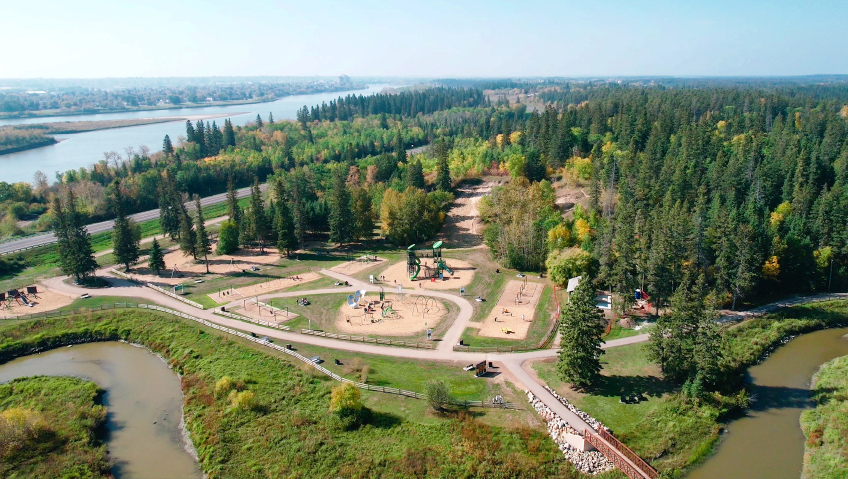
“We have a fantastic park system in Greene County and a fantastic trail system,” says Foster of the energy surrounding life, work, and recreation in the community. “It will allow someone from Beaver Creek or Fairborn or Xenia, which is the county seat, to get to those farmers markets and out to the agricultural areas very quickly.”
As there is demand for housing stock at all price points, efforts are underway to see housing projects get off the ground and ensure that everyone has a place to call home in Greene County. This includes workforce housing, which will further support the economic growth taking place. “At heart, I’m a job creator,” explains Foster. “Manufacturing and industrial types of jobs, but also residential. We as a county need residential [development] in all forms.”
In Greene County, the focus on housing goes beyond new stock to include maintenance for the protection of existing housing stock and those who reside there, which adds value to the community and uplifts those who need support.
“There’s a community development manager here who manages somewhere between six and seven million dollars in grant funding a year, from brownfield remediation to demo,” Foster explains. “It’s an Ohio program called CHIP, and what it does is allow homeowners who may not be able to afford the necessary repairs an avenue to have those repairs made.”
“It’s allowing those seniors to stay in place to improve their home, and that’s one of the more rewarding parts of the department. It’s great when you have a $400 million investment with 300 new jobs come to the county, but to help a senior stay in their home is one of the more rewarding parts.”
Future-forward growth
In Greene County, economic developers have the unique challenge—and opportunity—to generate momentum in the present that will have implications long into the future. As Foster notes, “I’m not going to be here for 20 more years, so whoever comes after me, how can I set them up to succeed? How can we leave this better than when we got it for everyone that’s here and everyone that will be here in the future?”
And with that, the goal becomes striking a balance between growth and development, finding ways to respect and pay homage to the agricultural roots upon which the county has grown while securing the development that will sustain quality of life in the county for the long term.
This is the promise that will assure Greene County’s growing base of taxpayers of a true return on their investment.