
In the northwest corner of Ohio, where state lines converge and rural landscapes stretch between thriving communities, Williams County is quietly building a powerful case for itself as a destination for business growth. At the center of that effort is the Williams County Economic Development Corporation (WEDCO), an organization that has spent decades fostering opportunity, strengthening partnerships, and positioning the region for long-term success.
“We exist to foster collaborative partnerships among the private and public sectors to stimulate economic growth and improve quality of life in our communities,” says Ashley Epling, Executive Director of WEDCO. “Everything we do ties back to that mission.”
Founded in 1983, WEDCO serves as the county’s economic development engine, working closely with businesses, educators, government leaders, and developers. Its approach is hands-on and highly responsive, grounded in the belief that sustained growth comes from understanding the needs of both existing employers and prospective investors.
One of Williams County’s most compelling advantages is its location. Positioned within a day’s drive of roughly 60 percent of the United States, the county offers exceptional access to major markets, making it an ideal hub for manufacturing and logistics.
“That centralized location is one of our strongest assets,” Epling says. “We’re close to Indiana and Michigan, and we have strong transportation routes running through the county. It makes it easy for companies to move products in and out efficiently.”
Interstate access, rail connectivity, and proximity to larger metropolitan areas such as Fort Wayne and Toledo enhance the region’s logistical strength. Businesses can operate in a cost-effective, rural environment while maintaining direct access to major urban centers. Columbus, Ohio’s capital, is also within a three-hour drive, further expanding opportunities for regional connectivity.
This balance between accessibility and affordability has become increasingly attractive to companies looking to optimize operations without sacrificing reach.
Manufacturing serves as the backbone of Williams County’s economy, employing approximately 5,800 workers across a range of industries. Rather than relying on a single dominant sector, the county benefits from a diverse industrial base that includes automotive and food processing. “It’s not just one industry driving everything here,” Epling explains. “That diversity helps create stability and resilience in our economy.”
In addition to its established industries, Williams County continues to attract new investment from international companies seeking to expand into the U.S. market. Recent foreign direct investment projects highlight the county’s growing global appeal. A Netherlands-based manufacturer specializing in polymer materials, for instance, has selected Williams County for its first U.S. operation. Similarly, V-Rod, a Canadian company producing fiberglass rebar, has launched its first American facility in the county.
“These are companies choosing Williams County as their entry point into the United States,” Epling says. “That speaks volumes about what we offer.”
At the same time, legacy companies continue to play a vital role in the local economy. Businesses such as Spangler Candy Company, founded in 1906, The Ohio Art Company, established in 1912, and Acheson, dating back to 1914, have maintained a presence in the region for generations. Their longevity reflects both the strength of the local workforce and the supportive business environment cultivated over decades.
WEDCO’s commitment to business success begins with its proactive approach to engagement. Through regular Business Retention and Expansion (BR&E) meetings, the organization maintains close relationships with local employers, identifying challenges and opportunities in real time.
“These meetings help us understand what’s happening on the ground,” Epling says. “If a company is facing hiring challenges or considering expansion, we can step in and help connect them with the right resources.”
This ongoing dialogue allows WEDCO to address issues before they become obstacles while also uncovering opportunities for growth. It also reinforces the organization’s role as a trusted partner for businesses operating in the county.
When it comes to attracting new companies, WEDCO takes a tailored approach. Incentives are evaluated on a case-by-case basis, with careful consideration given to factors such as job creation, wage levels, capital investment, and industry alignment. “We look at the full picture,” Epling explains. “Then we bring together the tools and resources that make the most sense for that specific project.” This layered strategy enables WEDCO to create competitive, customized packages that support both new investments and expansions.
Like many rural communities, Williams County faces the challenge of retaining young talent. However, WEDCO has made workforce development a central focus, implementing programs designed to connect students with local career opportunities and encourage long-term residency.
“We want our young people to see a future here,” Epling says. “Whether they go away for education or enter the workforce right after graduation, we want them to come back and build their lives in Williams County.”
Jennifer Stance, WEDCO’s Director of Workforce Development, works closely with the county’s seven school districts to bridge the gap between education and industry. Through initiatives such as early workforce placement, students who graduate ahead of schedule can transition directly into local employment opportunities.
Another key program is the annual educator boot camp, which brings teachers into local manufacturing facilities to gain firsthand insight into industry needs. “They can take that knowledge back to the classroom,” Epling says. “It helps ensure students are learning the skills that employers are actually looking for.”
Additional resources include a career and technical education center that is expanding its electrical and welding programs, as well as partnerships with a local community college that develops customized training programs for employers.
For businesses considering relocation or expansion, Williams County offers a range of development-ready sites designed to accelerate project timelines. “We currently have 13 sites available throughout the county, ranging from five acres to more than 200 acres,” says Epling.
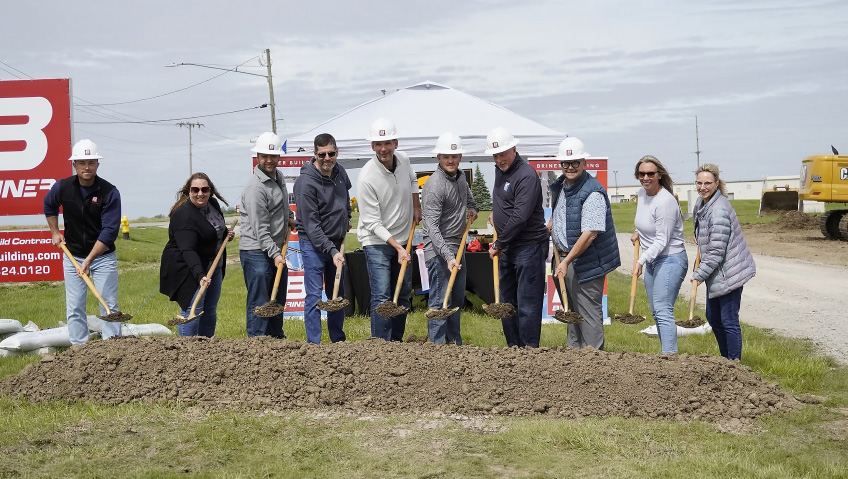
One standout property is a 63-acre site that has been certified through the SiteOhio program. With due diligence completed, utilities in place, and rail adjacency, the site is ready for immediate development, and an additional 80 acres are available for future expansion.
Other properties include a 223-acre site located along Interstate 80/90, one of the country’s primary east-west corridors. These sites provide flexibility for a variety of industries while ensuring access to critical infrastructure.
Although the county has fewer existing buildings compared to more urban areas, its available land and streamlined development process make it an attractive option for companies seeking to build new facilities. Williams County’s participation in Foreign Trade Zone 8 enhances its appeal to international businesses, offering cost-saving opportunities related to tariffs and customs duties. “We already have several foreign companies operating successfully here,” Epling says. “That creates a strong foundation for additional international investment.”
Indeed, the county’s track record with foreign direct investment demonstrates its ability to support global companies entering the U.S. market. WEDCO provides hands-on assistance throughout the process, often serving as a primary point of contact for international clients.
“When companies can’t be here in person, we step in,” Epling explains. “We help coordinate everything from logistics to local connections so they can move forward with confidence.” This level of support helps reduce barriers to entry and ensures a smoother transition for companies establishing operations in the region.
Of course, as economic activity increases, housing has become a critical component of Williams County’s development strategy. WEDCO is working closely with the Williams County Port Authority to expand residential options and support workforce growth. “Housing and job creation have to happen at the same time,” says Epling. “You can’t have one without the other.”
Recent efforts include the construction of single-family homes, duplexes, and triplexes, as well as plans for a 50-unit senior housing complex. The goal is to create a balanced housing market that meets the needs of residents at every stage of life. By providing housing options for seniors, the county can also free up existing homes for younger families and workers entering the community.
This proactive approach is particularly important in a rural area where private development has historically been limited. By demonstrating market demand, local leaders hope to attract additional developers and accelerate residential growth.
Beyond economic development, Williams County is investing in its communities to create vibrant, welcoming environments for residents and visitors alike. In recent years, downtown areas across the county have undergone significant revitalization. Vacant storefronts have been transformed into restaurants, boutiques, and mixed-use spaces featuring loft apartments.
“I’ve lived here my whole life, and the change has been incredible,” Epling shares. “There’s a real effort to make these communities places where people want to spend time.”
Local initiatives have introduced unique attractions, from renovated historic buildings to entertainment venues and specialty shops. These improvements not only enhance quality of life but also support tourism and small business growth.
Community events also play a central role in this transformation. From farmers markets and festivals to theater productions and county fairs, there is a steady calendar of activities that bring residents together.
During the holiday season, Williams County becomes a regional destination. Downtown Bryan hosts a festive market inspired by traditional European holiday villages, while nearby West Unity transforms into a Christmas-themed shopping district that attracts visitors from across the region. “We see tour buses coming in for those events,” Epling says. “It’s something that really sets us apart.”
WEDCO’s efforts are delivering measurable results. Over the past year, the organization has supported six major projects totaling more than $78 million in capital investment. These initiatives have created 212 new jobs and generated over $12 million in payroll.
In addition, WEDCO has secured more than $2 million in incentives through a combination of grants and tax credits, further strengthening the county’s competitive position. For Epling, these achievements reflect both the strength of the local economy and the effectiveness of WEDCO’s collaborative approach. “We’re a small county, but we have a lot to offer,” she says. “Our goal is to show businesses that they can come here and succeed.”
With a small but dedicated team, WEDCO operates with a high level of agility and personal engagement. Epling and her colleague Jennifer Stance manage a wide range of responsibilities, from workforce development to marketing and project coordination. “We’re very hands-on,” says Epling. “When a company comes here, we’re with them every step of the way.”
This includes connecting businesses with local resources and navigating regulatory processes, and Epling’s deep roots in the community further enhance WEDCO’s ability to provide support. This network-driven approach ensures that businesses have access to the expertise and resources they need to succeed.
As Williams County continues to grow, its combination of strategic location, industrial diversity, workforce development, and community investment positions it for sustained success. The county’s ability to balance economic growth with quality of life makes it an increasingly attractive destination for businesses and residents alike. With strong leadership and a clear vision for the future, WEDCO is helping to shape a region that is both competitive and connected.
“We’re proud of what we’ve built here,” Epling says. “And we’re just getting started.”